


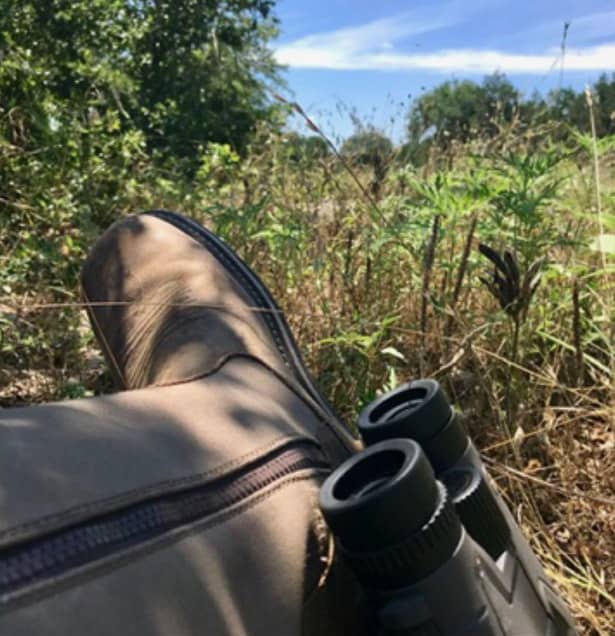
Digiscoping outdoorsmen and women enjoy a variety of activities, ones that likely started before their journey with this unique form of photography started. Among the players are birders, hunters, hikers, and nature photographers; and there are many more. The smart ones pack their binoculars and/or spotting scopes when they hit outside spaces.
One commonality among these folks is that they likely learned to use at least one of these marvels of magnification first.
Today, you can add smartphones to the list of outdoor gear; specifically, smartphone cameras. When smartphone digiscoping kits hit the market over a decade ago, many visually-inclined adventurists became used to connecting their optics and smartphones to capture distant images.
Why use a smartphone camera to digiscope? There are a few reasons, including ease and the turnkey ability to share images and videos.
Here’s a common scenario. You see an interesting animal or rare bird at a great distance. What often comes next is a frantic quest to connect your smartphone camera to your optics. It’s chaos.
For one, you’ve interrupted the enjoyment of viewing the target. Worse, you’ve missed the photo op by not being prepared.
Seeing a rare bird, big bull elk, or perfectly framed body of water is one thing. Capturing it as an attractive photo or video is another.
Pack Light
To the extent possible, strive to pack only what you’ll need for the digiscoping session. A bag or backpack full of non-essentials adds chaos to the moment. Whether you’re a birder, backcountry hiker, or hunter, scrap items such as game calls, trail cams, and clothing items from your last trip afield. Here, it’s all about organization and seamlessness in the field.

By packing little more than the essentials, you’ll have more ease in the field.
Put differently, concentrate on packing your optics, fully charged smartphone, Phone Skope digiscoping kit, and tripod. After you’ve packed these essentials, think minimalistic and choose the rest of your gear wisely.
Prepared to be Prepared
Being ready for the next great image can weigh on outdoorsmen and women. However, it’s so easy to follow through and do the things that help us capitalize when these visual opportunities reveal themselves.
As digiscopers, there are a few ways to be prepared for great shots, and they’re easy.
For one, arrive at your next great vantage point on time. For example, if you’re hoping to capitalize on the golden hour, arrive early and be ready.

More successful (and enjoyable) digiscoping means arriving early
and immediately setting up. Image; South Texas sunrise.
Connect your digiscoping gear as soon as you arrive; or, at least partially. I like to place my smartphone in the custom Phone Skope case first. Then, I get out my optics and the other adapter components (only 2 pieces).
When you see promising sights, simply add your optics to the mix. Better yet, completely set up upon arrival and use a second pair of optics for glassing the surrounding landscape.This will prepare you for impromptu chances at great photos. Another way to capitalize is to use a tripod and have it fully loaded and ready.
Slow Down and Enjoy
There are obvious benefits to being ready for your next great digiscoped photos. For one, it gives peace of mind. With preparation and patience comes in-the-moment enjoyment. This means you will probably capture good images–and enjoy your time outdoors in between shots.
Digiscope photographers are typically outdoorsmen first on some level, so it’s a win-win.
By keeping it simple, you can patiently enjoy the surrounding sights–and be prepared for the next great shot. And don’t forget one of the best parts; sharing. By digiscoping via smartphone you can use any number of great editing apps to polish the image; and, drumroll… you can promptly share with friends and family.